











In 2020, while the Covid-19 pandemic had disrupted normal life across the country, Delhi Police launched an incentive scheme to encourage officers to trace missing children. Among those who took up the challenge was Head Constable Seema Dhaka of Samaypur Badli Police Station in Delhi’s Outer North district. In just two and a half months, she traced 76 missing children, with 56 of them below the age of 14. Her achievement made her the first Delhi Police personnel to receive an out-of-turn promotion under the new scheme.
The incentive that pushed the search further
The incentive scheme was announced by then Delhi Police Commissioner S N Shrivastava in August 2020. Under the scheme, constables or head constables who recovered at least 50 missing children below the age of 14 within 12 months could be considered for an out-of-turn promotion. At least 15 of those children had to be below eight years old. Officers who traced more than 15 missing children during the same period could also receive the Asadharan Karya Puraskar. Dhaka took the challenge seriously. According to Delhi Police and contemporary reports, she traced 76 children within a span of around two and a half months. The children were not all found in Delhi. Her search took her to different parts of the country, including Punjab, West Bengal, Bihar, Uttar Pradesh and nearby areas such as Ghaziabad, Noida, Panipat and Gurugram.The work was particularly difficult during the lockdown, when public transport and train services were disrupted. Dhaka told NDTV that some families had returned to their hometowns during the pandemic, which meant officers sometimes had to work with limited or changing address information to locate them. She also recalled the emotional impact of the work. “It gave me immense happiness when parents were reunited with the children and they showered blessings on me. Today, as I am promoted, my happiness has doubled,” she said.
From Delhi to West Bengal in search of children
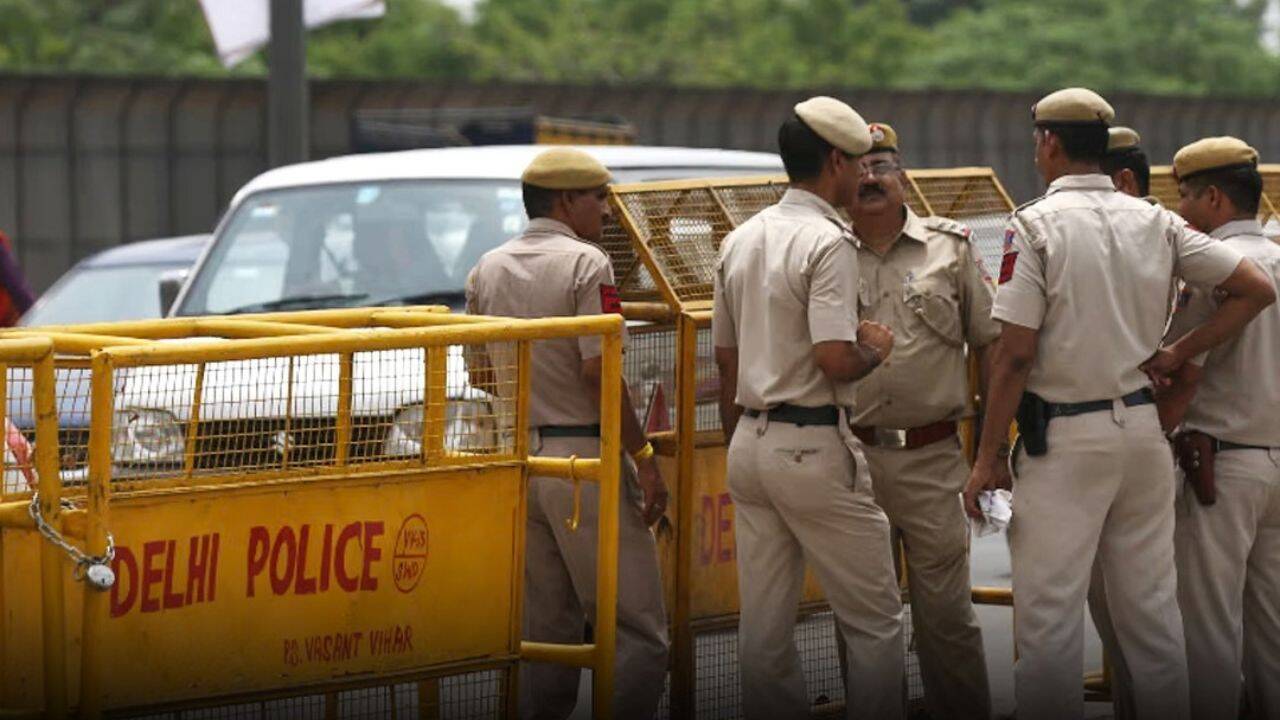
Some of the cases required searches far beyond the capital. Delhi Police said Dhaka traced children from states including Punjab and West Bengal. One particularly difficult case involved a seven-year-old boy who had gone missing from his home in 2018 and was eventually traced in West Bengal in October 2020. Reports also highlighted the difficult conditions under which some searches were conducted. In West Bengal, Dhaka and her team travelled during the flood season and used boats to reach areas where a missing child had been traced.For Dhaka, the work was not simply about completing a target. She said she understood the pain of parents who had lost their children and wanted to help bring families back together. “When we join police force, we’re aware of the challenges involved, and we’re aware of the risk to our lives. That doesn’t deter us,” she told NDTV. She also credited the people around her for helping her succeed. “Cooperation from family and colleagues” helped her significantly in carrying out the demanding work, she said.
A historic promotion for extraordinary work

Dhaka’s efforts resulted in a landmark recognition. In November 2020, she was promoted from Head Constable to Assistant Sub-Inspector, becoming the first Delhi Police personnel to receive an out-of-turn promotion under the missing-children incentive scheme. The achievement was significant not only because of the number of children she traced, but also because of the circumstances in which she worked. The pandemic had created additional challenges for police officers, while families who had moved away from Delhi could be difficult to locate. At the time, Delhi Police officials described her efforts as sincere and painstaking. Commissioner S N Shrivastava publicly congratulated her for recovering children and bringing happiness to their families.Dhaka had joined the Delhi Police in 2006. She was a farmer’s daughter from Uttar Pradesh and was also a mother to an eight-year-old son at the time of her promotion. Her story became an example of how persistence, detailed investigation and a strong sense of responsibility can make a difference in missing-child cases. Her achievement ultimately represents more than a career promotion. Behind the figure of 76 are children who had gone missing and families who were waiting for answers. For those families, every successful trace meant something far more important than a police statistic: the return of a child.