










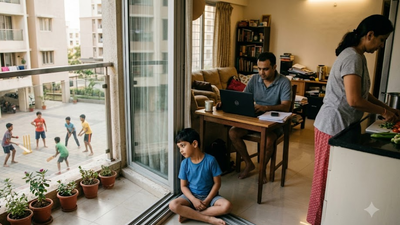
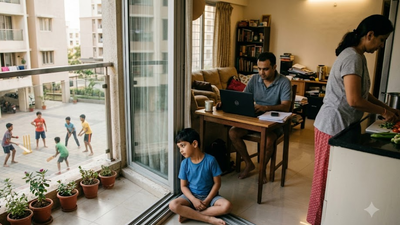
A child comes home from school quieter than usual. When a parent asks what happened, the answer is simple: “Nothing.” Later, the child mentions that everyone went out without them, that their friends stopped including them in a game, or that a group chat suddenly became quiet. For some children, being left out can hurt. But they may still choose not to tell their parents. It is easy to assume that a child is hiding the problem because it was not important enough to mention. Sometimes the opposite may be true. They may worry that telling an adult will turn a painful friendship problem into a much bigger situation.Research suggests that young people can hold back when they expect embarrassment, disapproval, loss of control or an unwanted adult response.
22 Sept 2026 | 15:04
What pregnancy purchase turned out to be genuinely useful?
They may not want parents to step in
Imagine a 12-year-old whose friends have stopped including them during lunch. The child is upset but tells their parents, “It’s fine.” One reason may be that they do not want the parent to call another child’s parent, contact the school or start asking questions. Research on adolescents’ disclosure to parents has found that peer-related matters are among the areas young people may be less willing to discuss. In a study of 118 early and middle adolescents, researchers found that decisions about telling parents varied depending on the subject and the adolescents’ reasons for keeping information private. Concerns about parental disapproval and seeing an issue as personal were among the reasons linked to nondisclosure.For a child dealing with friendship trouble, “I don’t want Mum and Dad to make it worse” can therefore be a real concern.
Being left out can feel different from what adults see

Photo: Canva
Adults may look at a friendship problem and think, “They will make up tomorrow.” Children may not experience it that way. Friendships become increasingly important as children grow, and being accepted by a peer group can affect how they feel about themselves and where they belong. A 2019 study examining children with low peer acceptance found that supportive parenting could buffer some of the links between low peer acceptance and internalising problems. In other words, the child’s experience with peers and the support available at home can interact with each other. That is why a parent does not necessarily need to solve the friendship problem immediately. Sometimes the first job is simply to understand how the child experienced it.
“Don’t tell anyone” can be about control
Older children and teenagers often become more protective of their private lives. They may want to handle friendship problems themselves before involving an adult. Research on bullying disclosure shows how important this feeling of control can be. A 2017 study involving 12- to 16-year-olds found that common barriers to telling teachers included concerns that peers would disapprove, that the student would look weak, and a desire to deal with the situation independently. These perceived negative outcomes were linked to intentions not to disclose.Another study published in 2026, based on retrospective accounts from 108 emerging adults, found that young people described several reasons for not reporting bullying when they were at school. These included embarrassment, fear, concerns about peer reputation and worries that telling an adult would make the situation worse.
Parents’ reaction can influence what children share next

Photo: Canva
A child who finally says, “They didn’t let me sit with them today,” may be watching the parent’s reaction very closely. If the immediate response is, “Who did this? Give me their parents’ number,” the child may become more reluctant to share the next time. That does not mean parents should ignore exclusion or bullying. It means the first conversation does not always have to become an intervention.Research specifically examining adolescents’ disclosure about friends found that the way parents respond over time is connected to whether young people disclose information about their friendships. A 2018 observational study of 62 mother-adolescent pairs also found that maternal autonomy support during conversations about friendships was positively related to adolescents’ disclosure. The researchers linked this partly to adolescents feeling that their needs for autonomy and relatedness were being supported.
What parents can say instead
When a child finally mentions being left out, the first response does not have to be advice. Try: “You noticed they were leaving you out?” “That sounds like it bothered you.” “Do you want me to just listen, or do you want help figuring out what to do?” “Do you want to handle it yourself first?” “Has this happened once, or is it happening often?” These questions leave some control with the child while also making it clear that the parent is available.
When parents should pay closer attention
Not every instance of being left out needs an adult intervention. Friendships change, children fall out and groups sometimes exclude someone temporarily. But repeated exclusion is different. Parents should pay closer attention if a child repeatedly says they have nobody to sit with, stops wanting to go to school, becomes unusually withdrawn, loses interest in activities they previously enjoyed, appears anxious about social situations, or says they are being deliberately targeted. In those situations, staying quiet should not be mistaken for coping well.