









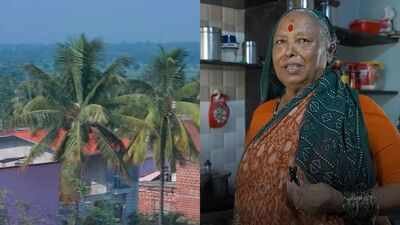
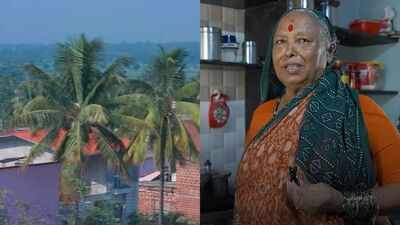
What if a village could generate its own electricity, produce cooking fuel from waste and manage its water resources through collective efforts? In Maharashtra‘s Kolhapur district, Shelkewadi is showing how these ideas can move beyond discussion and become part of everyday life. Home to around 80 families, according to a recent video report by The Better India, the village has spent more than two decades working towards a more sustainable way of living. Solar panels power homes and public facilities, biogas helps families cook, and waste is managed through organised community systems.Located in Karvir taluka, Shelkewadi is also known as the Pink Village because of its pink-painted houses. But its identity goes beyond its appearance. The village’s transformation has been built through residents’ participation, government schemes and a shared effort to address problems that affect rural communities, from rising energy costs to water scarcity and sanitation. The journey began around 2004, when villagers decided to work together to improve their living conditions. Today, their efforts offer an example of how local communities can use available resources to become more self-reliant.
When villagers decided to take charge of their future
Shelkewadi’s transformation did not happen overnight. Around 2004, the village was struggling with limited development funds and inadequate attention. Rather than waiting for outside intervention, residents began exploring government schemes that could help improve basic facilities. The Gram Panchayat and local administration encouraged households to participate in sanitation, renewable energy and other development projects. Villagers also contributed to initiatives instead of depending entirely on government funding.One of the early priorities was sanitation. Families built toilets and adopted systems that connected household sanitation with biogas production. The village gradually developed a model in which waste could be treated as a resource rather than simply discarded. The approach also involved women in community-level activities. Self-help groups encouraged savings and local employment, helping families retain more economic activity within the village. This community participation became the foundation for the changes that followed.
Solar panels bring the village closer to energy independence
One of Shelkewadi’s most notable achievements is its transition to solar power. The village worked towards installing rooftop solar systems across its homes, with support from government programmes, including the Pradhan Mantri Surya Ghar Yojana. According to The Better India’s earlier report, households contributed around Rs 5,000 each towards the installation cost of approximately Rs 67,000 per system. The remaining amount was arranged through government support and prize money received under development initiatives.The systems were installed not only in homes but also across public facilities. The village school, Anganwadi, Gram Panchayat office, gymnasium and water supply infrastructure also benefit from solar power. The impact has been significant for household electricity expenses. A farmer quoted in The Better India’s 2025 report said his monthly bill, which earlier exceeded Rs 2,000, had fallen to around Rs 130 after adopting solar power. Some households could also earn credits by supplying surplus electricity to the grid. The village’s solar initiative has therefore helped reduce dependence on conventional electricity while making energy expenses more manageable.
How household waste becomes cooking fuel
Solar power is only one part of Shelkewadi’s sustainability model. The village has also developed a biogas system that uses animal dung and organic waste to produce fuel for cooking. Many households keep cattle, making animal waste an accessible resource. Wet waste is also directed towards biogas production, reducing the amount of organic material that would otherwise be discarded.The system is connected to household sanitation facilities, allowing waste to be processed and used productively. With cooking gas generated locally, families have been able to reduce their dependence on LPG cylinders. Dry and plastic waste are handled separately. The village has worked with the Avani organisation for the management of these waste categories, helping prevent them from accumulating in public spaces. These efforts connect sanitation with energy production. Instead of treating waste management as a separate cleanliness exercise, residents have made it part of a wider plan to conserve resources and reduce pollution.
Pink homes, water conservation and a shared vision
Shelkewadi’s pink appearance carries a social message too. The houses across the village have been painted pink, while the names of women are displayed on their homes. The decision to register houses in women’s names was taken as a step towards recognising their ownership and strengthening their position within families.The village has also invested in water conservation. Initiatives such as rainwater harvesting, well rejuvenation, groundwater recharge and watershed management have been used to improve water availability. Kitchen gardens and wastewater management further support its efforts to use resources carefully.A water ATM has also been introduced, providing 20 litres of purified water for Rs 10, according to The Better India’s earlier report. The system was donated by two villagers. Shelkewadi has received recognition for its sanitation and development work, including awards such as the Nirmal Gram Puraskar and the Yashwant Gram Panchayat Award. Its Gram Panchayat, school and Anganwadi have also received ISO 9001:2015 certification.The village is now working towards becoming free of single-use plastic. Its progress shows that sustainability is not limited to installing solar panels or adopting new technology. It also depends on how people manage waste, conserve water, support one another and take responsibility for their surroundings. For Shelkewadi’s residents, the biggest achievement may be the way these efforts have become part of daily life. More than 20 years of collective work have helped turn a small village into an example of what community-led development can achieve.