








In 2018, Phool Kumari started poultry farming with just 100 chicks. For the tribal farmer from Borang village in Jharkhand’s Gumla district, it was a way to supplement her family’s modest income from rain-dependent farming. The family earned around ₹50,000-60,000 a year from agriculture, making it difficult to manage household expenses and pay for their children’s education. Eight years later, poultry farming has become a significant source of income for the family. By combining the sale of adult birds, chicks and eggs, Kumari earned a net annual income of ₹2,23,400 from her poultry enterprise in 2025-26. Her work has also encouraged around 30 other tribal women in her village to take up improved backyard poultry farming.According to the Indian Council of Agricultural Research (ICAR), her progress followed training, technical guidance and support from Krishi Vigyan Kendra (KVK), Gumla. The initiative helped her expand from rearing chickens to producing chicks through a hatchery.
From ₹50,000 a year to a poultry enterprise
Kumari belongs to a farming family that owns around five acres of land in Borang village, in the Bishunpur block of Gumla district. For years, the family depended on traditional rainfed agriculture, which offered limited returns. The income from farming was around ₹50,000-60,000 annually. With household expenses and the education of two children to consider, the family needed another source of earnings. Her association with KVK Gumla began in 2016. Through interactions with agricultural scientists and technical experts, she learnt about improved farming methods and alternative livelihood opportunities.In 2018, she took up poultry farming after receiving training and support under the Tribal Sub-Plan (TSP). KVK provided her with 100 Divyayan Red chicks, a breed suitable for backyard poultry production. She set up the unit using locally available resources and adopted improved practices for poultry housing, feeding, clean drinking water and disease prevention. According to the official website of ICAR, the birds reached an average body weight of around 1.5 kg within three months, while egg production began at approximately 22 weeks. These results helped her develop poultry farming as an additional source of income alongside agriculture.
How a hatchery helped her expand the business
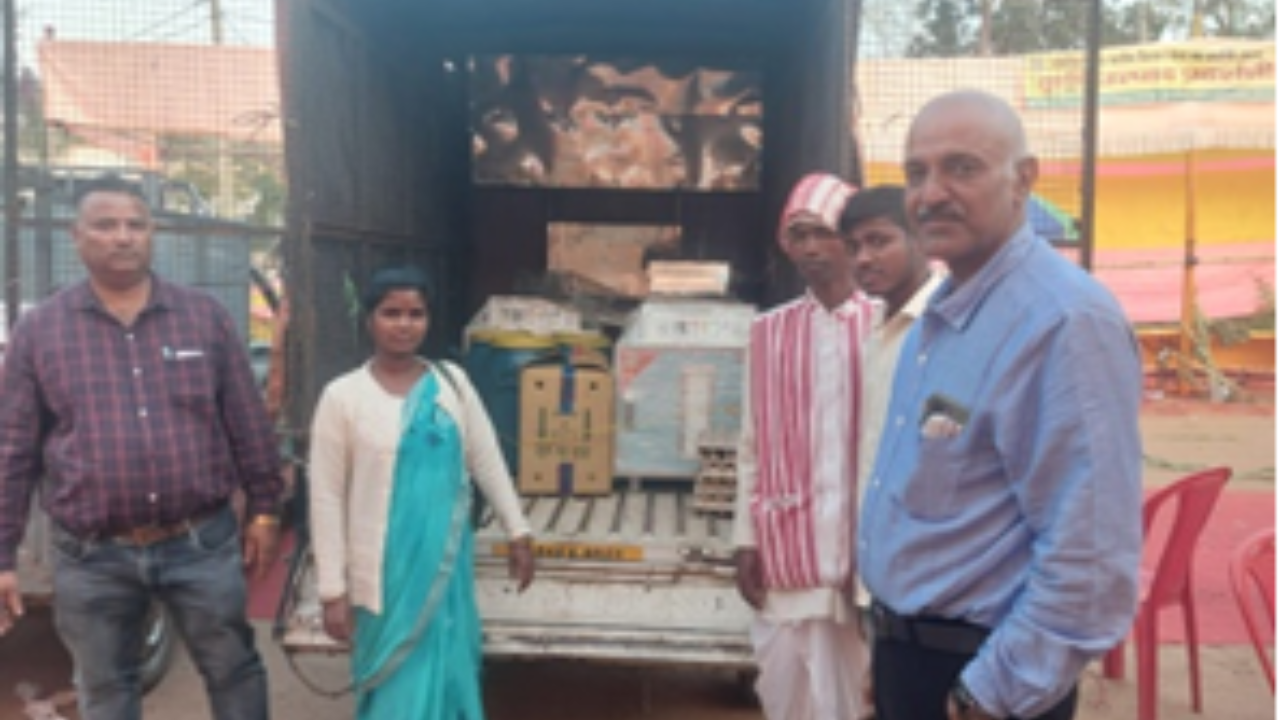
Photo credit: ICAR
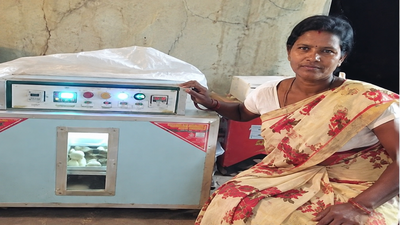
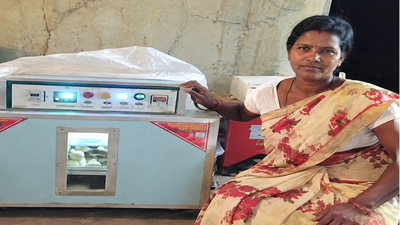
Kumari’s next step was to move beyond rearing and selling adult birds. Recognising her progress, KVK Gumla supported her self-help group with a hatchery machine and 112 eggs under the TSP project. The hatchery opened up another source of earnings by allowing her to produce chicks for sale. It also gave local poultry farmers access to chicks from improved breeds. The enterprise now earns money from three activities: selling adult birds, selling chicks and selling eggs. According to ICAR, the business generated a gross income of ₹4,48,400 in 2025-26 against input costs of ₹2,25,000, leaving a net income of ₹2,23,400. The sales included around 1,000 adult birds, 960 chicks and 1,000 eggs.
Poultry earnings help the family invest in another livelihood
The additional income has helped Kumari’s family strengthen its financial position. According to ICAR, the family purchased an autorickshaw using its increased earnings. Her husband, Jagdish Oraon, operates the vehicle, creating another source of household income. The improvement has also eased the pressure of meeting everyday expenses and supporting their children’s education. According to ICAR’s website, Kumari credited the poultry hatchery and technical guidance from KVK with improving her family’s economic condition. The additional income has helped the family become more self-reliant, while the enterprise has strengthened her confidence as a rural entrepreneur.
30 tribal women follow her example
Kumari’s enterprise has also influenced other women in Borang village. According to ICAR, around 30 tribal women have taken up improved backyard poultry farming after seeing her results. Some of them purchase eggs from her unit and have started rearing improved breeds such as Sonali and Divyayan Red. ICAR reports that the participating women earn an additional ₹35,000-45,000 annually through poultry farming. Her business therefore serves not only as a source of income for her household but also as a local source of poultry products and an example for other women looking to supplement their earnings.Kumari’s experience also connects with a wider question about the role of women in agriculture: how can the work they already do become a more reliable source of income and business ownership. Kumari’s poultry enterprise illustrates how this broader shift can happen in practice. She began with poultry rearing, expanded into chick production and became a supplier for other women entering the same activity. Her progress has depended on both her work and the institutional support she received. The training, improved poultry breeds and hatchery equipment provided through KVK helped her turn a supplementary activity into a business with multiple sources of revenue.