







That damp patch creeping across a bedroom wall raises an annoying question most people can’t answer just by looking at it: is this simply humidity condensing on a cold surface, or is water actually working its way through the wall from somewhere outside? Getting that distinction wrong before calling in a contractor can mean paying for the wrong fix entirely, like a dehumidifier when you actually needed a waterproofing repair, or vice versa. It turns out architects and building surveyors have long relied on a genuinely simple trick to tell the two apart before spending a single rupee on tools or inspections, and it uses nothing more than a sheet of ordinary kitchen foil.
What you actually need and how to set it up
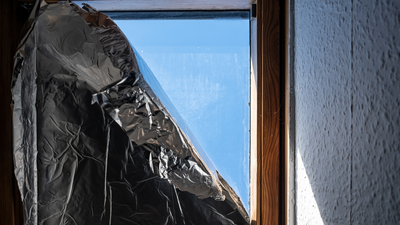
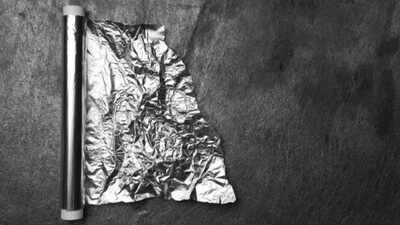
The setup is refreshingly low-tech. Start by wiping the damp patch completely dry with a clean cloth, since any existing moisture will throw off the result. Cut a piece of aluminium foil roughly 12 inches across, or large enough to comfortably cover the affected area, and tape it firmly onto the wall directly over the patch. The most important part of this step is sealing every single edge completely, since any gap lets room air sneak in behind the foil and compromises the whole test. Once it’s sealed tight, leave it completely undisturbed for 24 to 48 hours before checking back.
Reading the results: Which side tells you what
This is where the test actually earns its usefulness. After the waiting period, gently peel back the foil and check both sides before wiping anything away. If moisture has formed on the outer, room-facing side of the foil, that points to condensation, water vapour from the room’s own air settling on a cold wall surface. If the moisture instead shows up on the inner side, the side that was pressed against the wall, that indicates the water is actually coming from within the wall itself, either penetrating damp from outside or rising damp from the ground. Dark staining or a white, chalky residue on the foil is another confirming sign that water has been travelling through the wall.
Why this distinction actually matters
Condensation and structural damp aren’t just different in cause, they need completely different fixes, which is exactly why this test is worth doing before spending money on repairs. Condensation is largely a ventilation and humidity problem, solvable with exhaust fans, better airflow, and keeping indoor humidity in the 30 to 50 percent range rather than letting it climb toward 60 percent or beyond. Penetrating or rising damp, on the other hand, usually points to an actual structural issue, a crack allowing rainwater in, a blocked or overflowing gutter, or, in older buildings, a damp-proof course that’s been bridged or has failed entirely, letting groundwater climb up through the masonry. No amount of ventilation fixes that second category, it needs an actual physical repair.
Why getting this right matters for your health, not just your walls
This isn’t purely a cosmetic concern either. Building dampness and the mould it encourages have been linked to a real range of respiratory issues, including asthma, bronchitis, and other breathing-related symptoms, particularly for anyone already sensitive to allergens or living in a persistently damp room. That’s part of why correctly identifying the actual source matters beyond just stopping an ugly patch from spreading, treating condensation when the real problem is a structural leak means the underlying moisture, and the mould risk that comes with it, just keeps building undisturbed behind the wall.
What this test can’t tell you
It’s worth being upfront about the limits here. A dry foil after 48 hours is a reasonably good sign, but it isn’t an absolute guarantee that nothing’s wrong, some leaks only show up during heavy rain, a particular wind direction, or a specific season, and a short test window might simply miss them. This trick is best understood as a useful first clue rather than a full diagnosis, genuinely helpful for narrowing down what you’re likely dealing with before you call anyone in but not a substitute for a proper professional inspection if the damp is extensive, recurring, or affecting a structurally important wall.
A cheap first step worth taking
For the cost of a single sheet of kitchen foil and a roll of tape, this test gives you a genuinely useful starting point before committing to any repair work, whether that’s running a dehumidifier for a few weeks or bringing in someone to check the wall’s waterproofing from outside. It won’t replace an expert’s eye for anything serious, but for a lot of ordinary damp patches, it’s often enough to point you confidently in the right direction.
Disclaimer:
This article is intended for general informational purposes only and is not a substitute for professional building inspection or advice. If damp is extensive, recurring, or you suspect a structural leak, consult a qualified surveyor, waterproofing specialist, or contractor. Persistent damp and mould exposure can affect respiratory health, particularly for individuals with asthma or allergies.